Post Digital Colours – Regional Edition
Group Exhibition:-
Malaysia
Fadzril Fakaruddin
Faez Fahmi
Loqman Zainal
Tong Xin Lim
Philippines
Ikang Gonzales
Lance Gomez
Regina Reyes
Thailand
Asmawee Karee
Panuwat Kamdee
Thanakan Klannakorn
8th – 29th April 2026
Core Design Gallery, Subang Jaya
*Click on images to zoom in

- Post Digital Colours – Regional
In recent years, there has been a noticeable shift in the global visual colour palette, giving rise to a new aesthetic sensibility known as Post-Digital Colours. This emerging concept reflects a growing appreciation for palettes that are simultaneously responsive, immersive, and often only achievable through design software and computer-generated processes. Post-digital colours occupy a unique threshold—straddling the boundary between screen-based artificiality and tangible, analog materiality. This chromatic approach mirrors our deep entanglement with digital interfaces, while also resisting the slick, hyper-perfected visuals commonly associated with purely virtual aesthetics.
In this exhibition, Post-Digital Colours function as a conceptual and visual guide, inviting artists to reflect on and reinterpret the synthetic palettes found in digital environments. Artists explore how colours from digital design tools—clean, sharp, bright hues often seen in RGB displays or four-colour print separations (cyan, magenta, yellow, black)—can be reimagined in physical form. These palettes, often native to screens and software, are examined through various disciplines and each medium transforming digital tones into tactile, material experiences.
Many of the works embrace the visual language of glitch, pixelation, LED glow, and hyper-saturation—yet they are intentionally infused with traces of imperfection, handcraft, and organic irregularity, creating a dialogue between digital precision and human presence. These subtle frictions underscore a larger tension at play: how can technology become part of the artistic process without erasing the mark of the maker? Rather than treating digital colour as static or sterile, the artists in this exhibition imbue it with emotion, memory, and presence—breathing life into what is often perceived as artificial
This exhibition is part of a continuous project that examines how post-digital colour—once confined to the screen—is now spreading into our physical world, reshaping how we see, feel, and create across both digital and analog spaces. It invites viewers to reconsider the nature of colour itself: is it real, simulated, or suspended somewhere in between? As the boundary between virtual and physical realities continues to dissolve, post-digital colours emerge not just as a palette, but as a metaphor—signifying a world in transition, where the human and the synthetic no longer stand in opposition, but collaborate in shaping contemporary visual culture.
As the first iteration of this ongoing project, the exhibition also serves as a platform for artists to experiment, respond, and expand upon the possibilities of post-digital aesthetics. Your contribution plays a critical role in shaping the dialogue around this emerging language of colour—bridging digital influence with material practice, and offering personal, poetic, or political interpretations of a rapidly evolving visual culture.
Rather than providing fixed answers, this exhibition embraces uncertainty, experimentation, and transformation. Your work will become part of a larger conversation—one that challenges conventional boundaries between artificial and organic, digital and handmade, inviting us to imagine new ways of seeing, making, and connecting.
- MALAYSIA
- Fadzril Fakaruddin
Fadzril Fakaruddin (b.1995), A Pahang-born artist based in Kuala Lumpur, holds a Master’s in Fine Art from UiTM (2020). His artistic journey includes numerous exhibitions, competitions, and residencies, notably with Segaris Art Centre and DoubleTree Lakeside Hotel, Putrajaya. Alongside his studio practice, he is actively involved in art merchandising, expanding the reach of his visual language.
Fadzril’s practice is rooted in mixed media, where layers of canvas, paint, print, and oil pastel converge. Drawing from Malaysian batik motifs and the natural environment, he creates semi-abstract landscapes that move between memory, culture, and imagination. Recurring symbols such as sunflowers and roses reflect life’s dualities—growth and decay, harmony and disruption—while his vibrant palettes and layered brushwork echo Fauvism with a distinctly local sensibility.
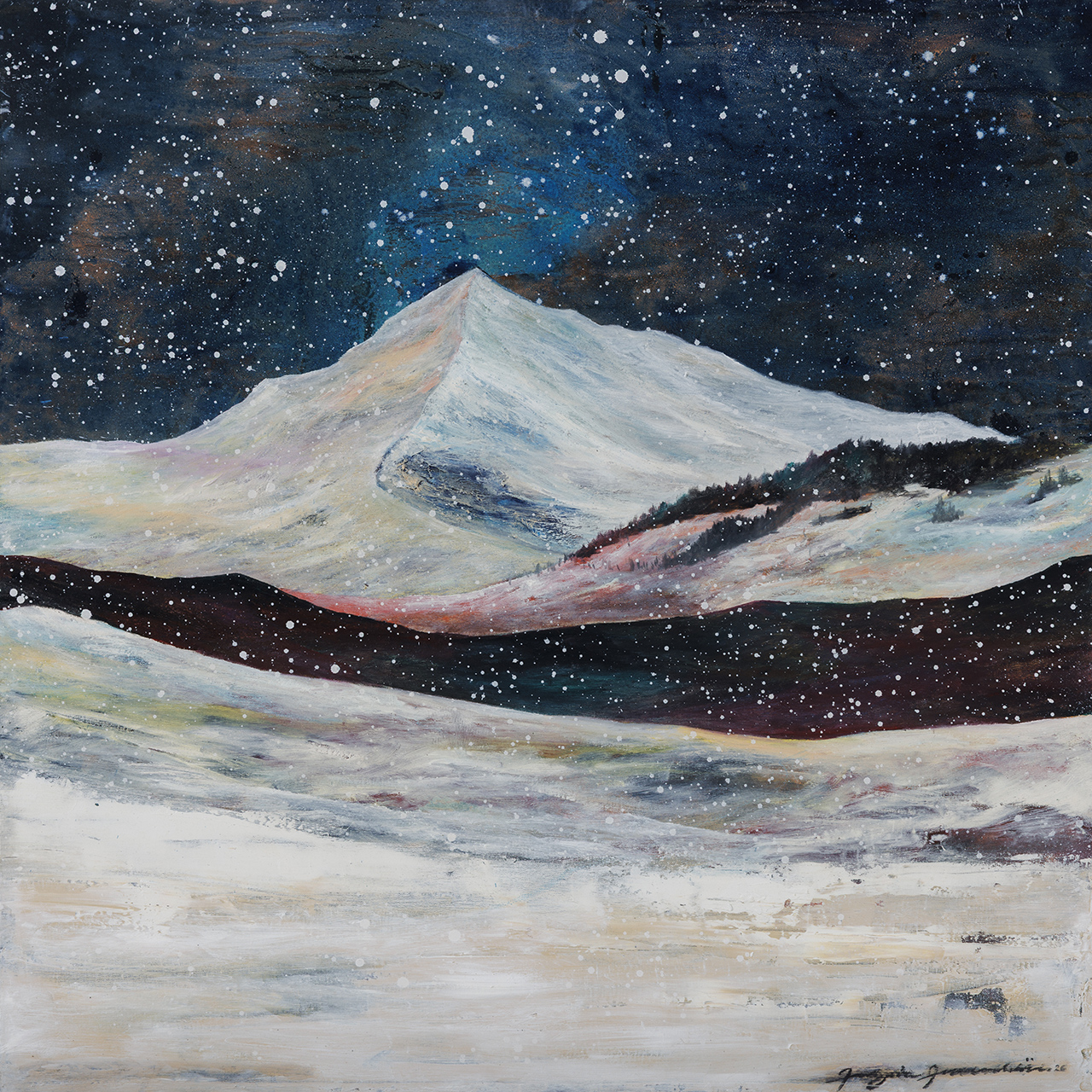
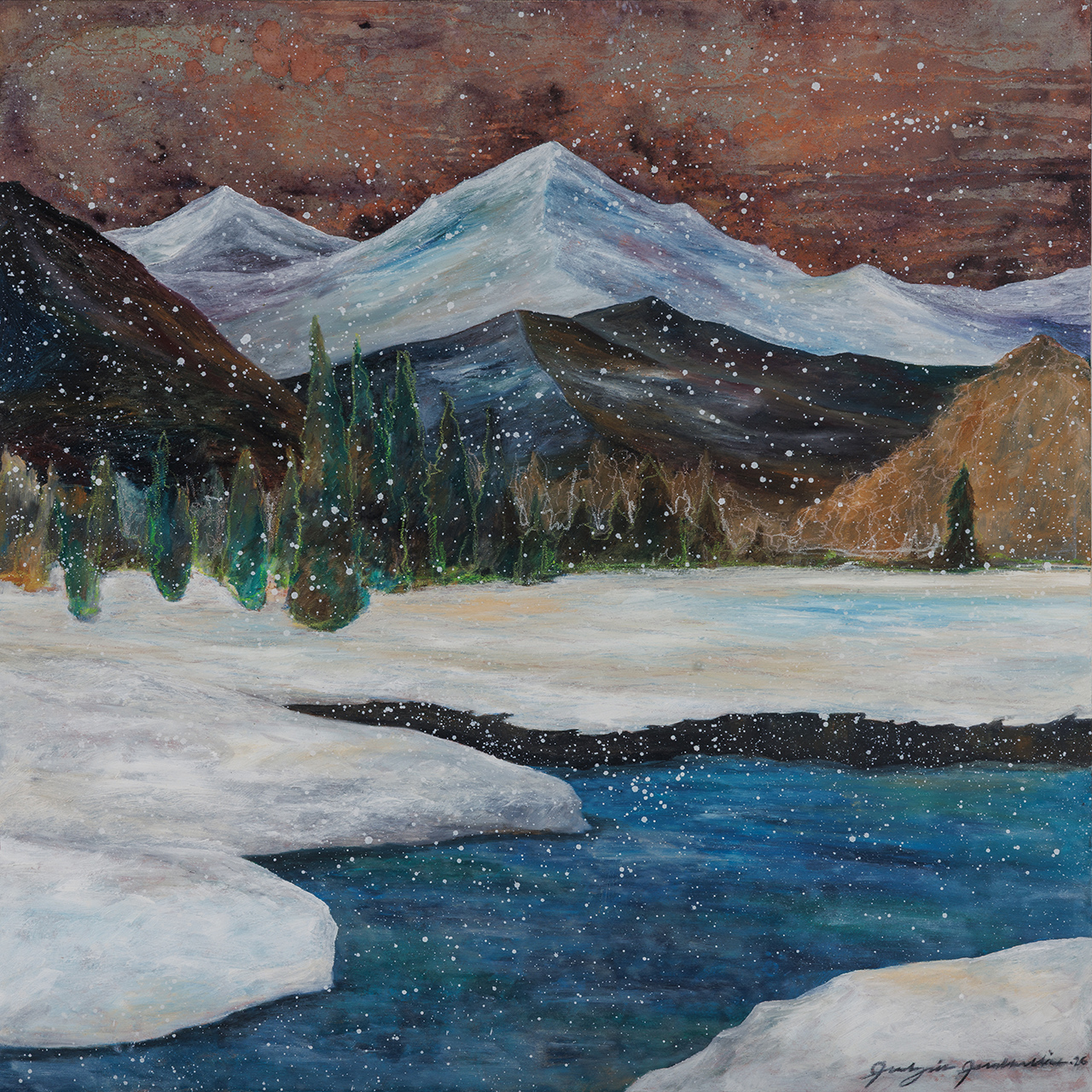
“This painting is a quiet memory of a winter far away, where snow fell gently and time seemed to slow. It holds the feeling of stillness, wonder, and the soft beauty of a place that lives on in my heart.”
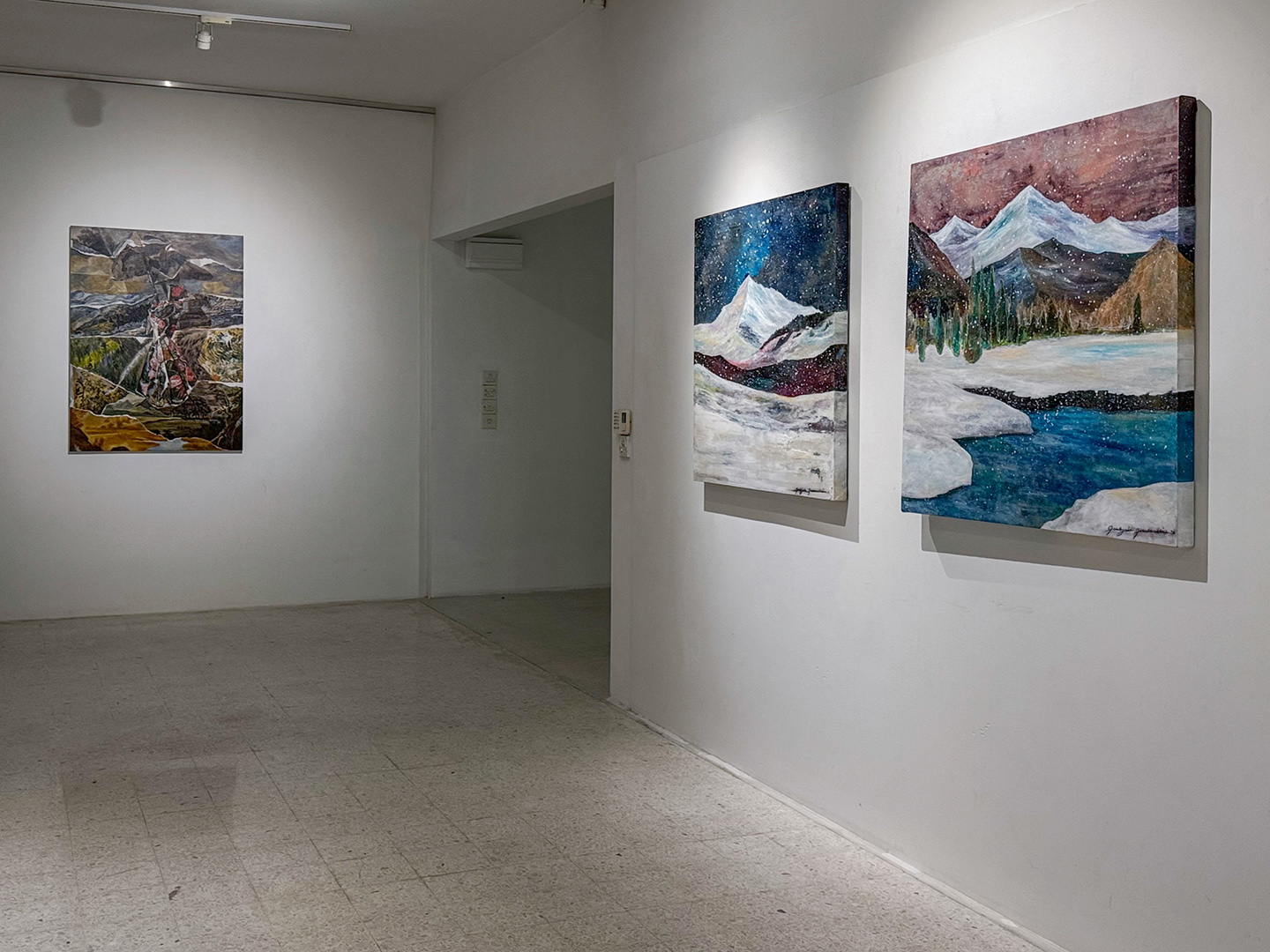
In his latest work, Fadzril reflects on the serenity of his journey to Kazakhstan through a quiet, melancholic lens. The snow-covered landscape—rendered as fragments of memory rather than a fixed place—captures stillness, wonder, and introspection. As gentle snowfall softens the scene, time appears to slow, and silence carries warmth. The painting becomes a contemplative space, a memory held in stillness, and a poetic echo of a winter that continues to live within him.
Fadzril Fakaruddin Memory of A Quiet Winter Oil on Canvas 92cm x 92cm 2026
Fadzril Fakaruddin Where Snow Falls Softly Oil on Canvas 92cm x 92cm 2026
- Faez Fahmi
Faez Fahmi (b.1998) is a Kelantan-born Malaysian artist with a Master’s in Fine Art and Technology from UiTM Shah Alam. His practice is deeply informed by his upbringing in Bachok, where the countryside and seaside shaped his sensitivity to light, form, and time. In his debut solo exhibition “Luar Jendela“, Faez translated these experiences into abstract, poetic interpretations that merge cultural heritage with contemporary sensibilities. His use of white cement for textured surfaces, alongside dripping acrylics and floral references, reflects both the vibrancy of Kelantanese life and his Malay roots.
Faez’s visual language is grounded in sincerity, cultural memory, and personal emotion. He employs humble yet potent materials to explore themes of identity, nature, and harmony, creating works that resonate with depth and immediacy. His practice extends beyond traditional exhibition spaces, including initiatives such as the TRX Canvas Collective, where his exploration of color, form, and texture engages with broader conversations on multicultural urban life.
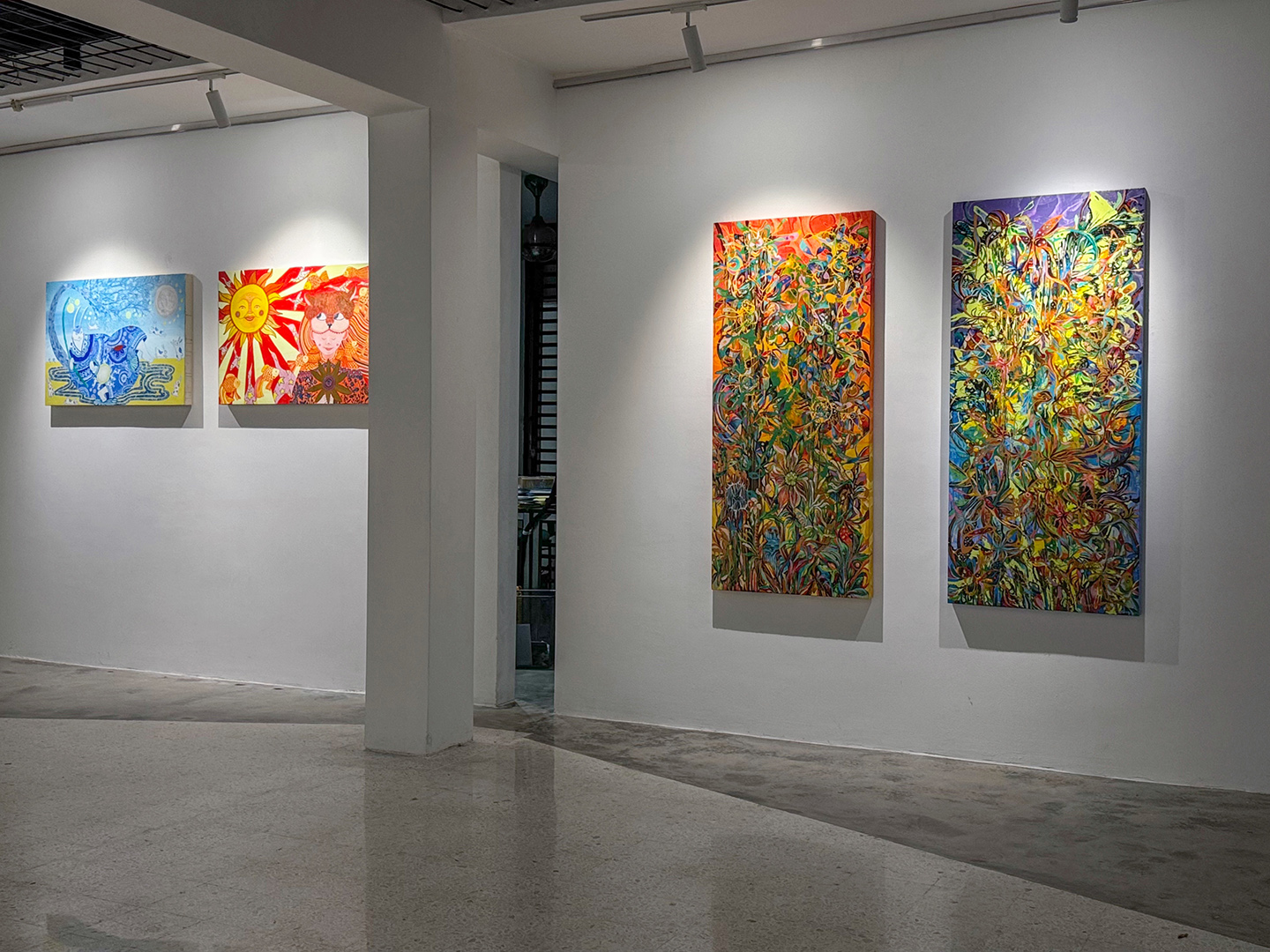
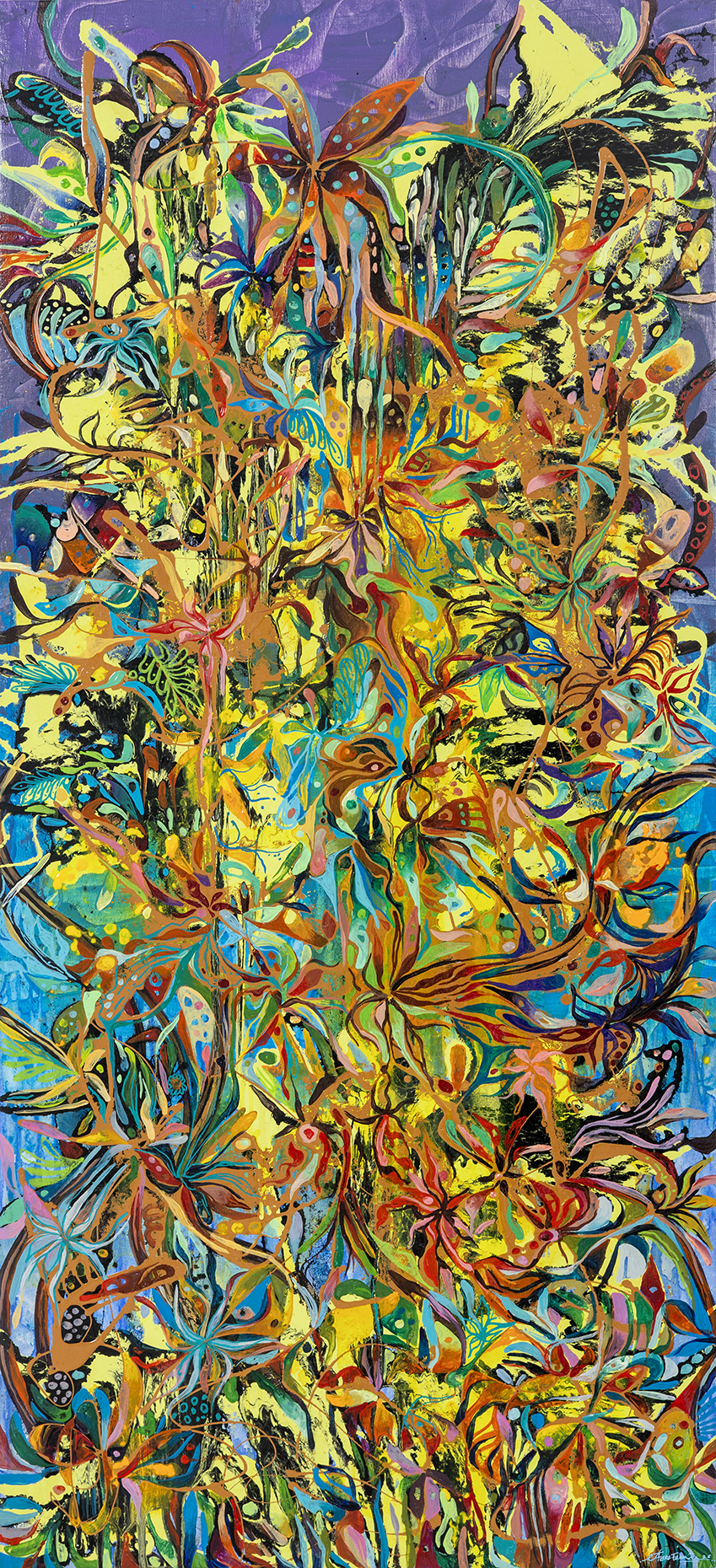
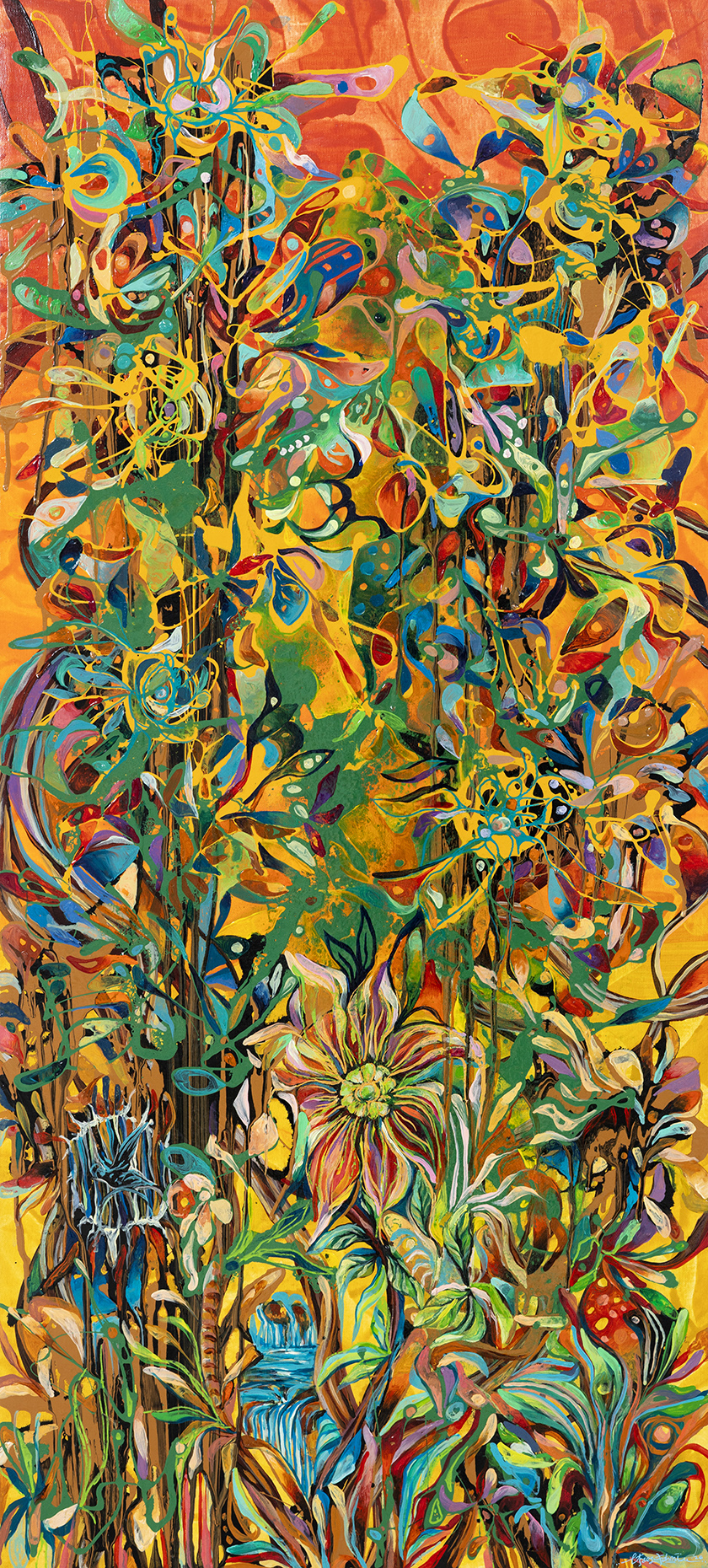
“The Garden After Colour” refers to a metaphorical garden where color becomes the dominant visual language shaping the composition. Bright, hyper-saturated hues generate an intense, layered experience, while floral forms emerge from bursts of color, reflecting a post-digital condition influenced by screens and contemporary visual culture. The work presents a new landscape formed through the intersection of nature, technology, and imagination.
Faez Fahmi The Garden After Colour I Acrylic and Industrial Paint on Canvas 138cm x 61cm 2026
Faez Fahmi The Garden After Colour II Acrylic and Industrial Paint on Canvas 138cm x 61cm 2026
- Loqman Zainal
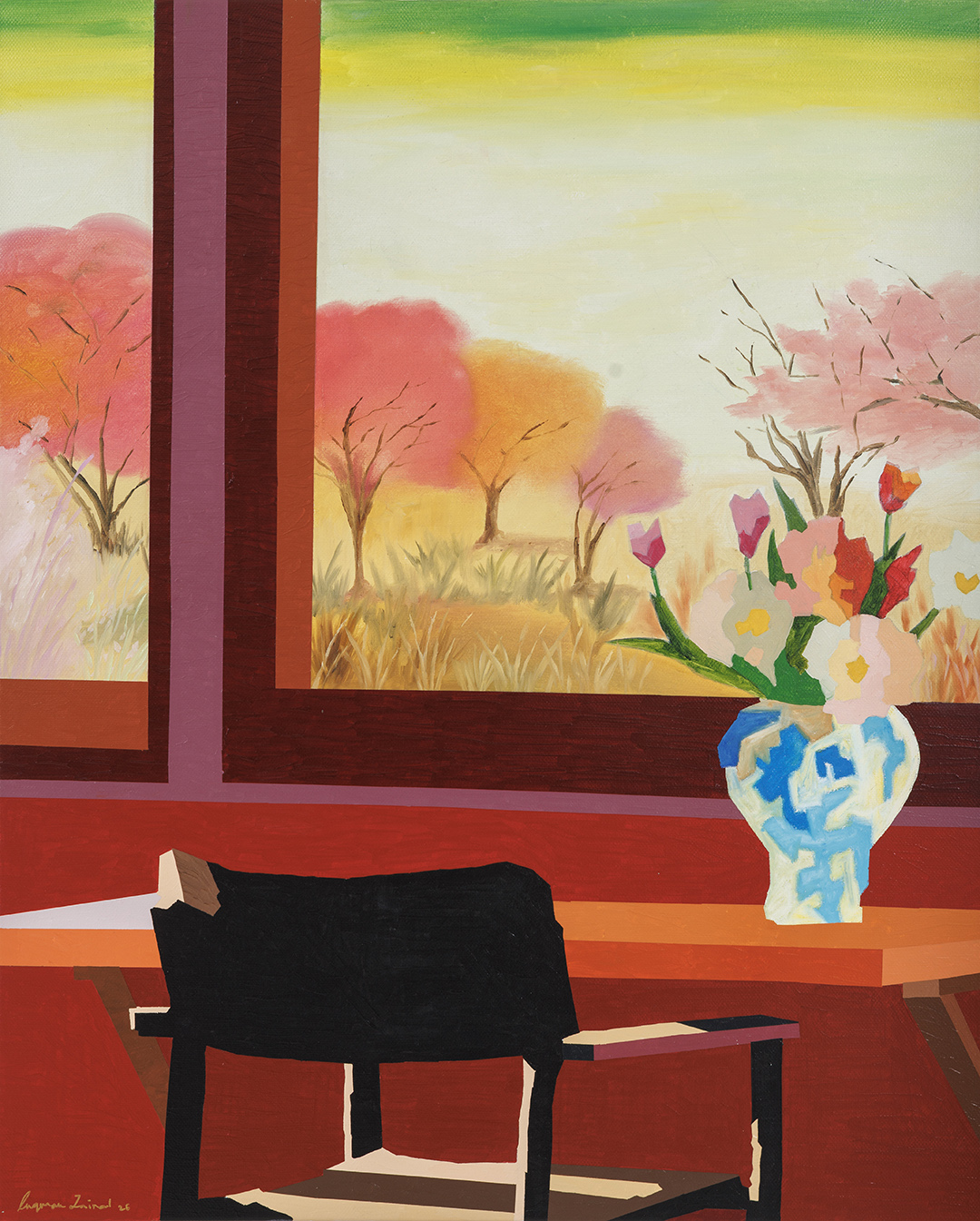
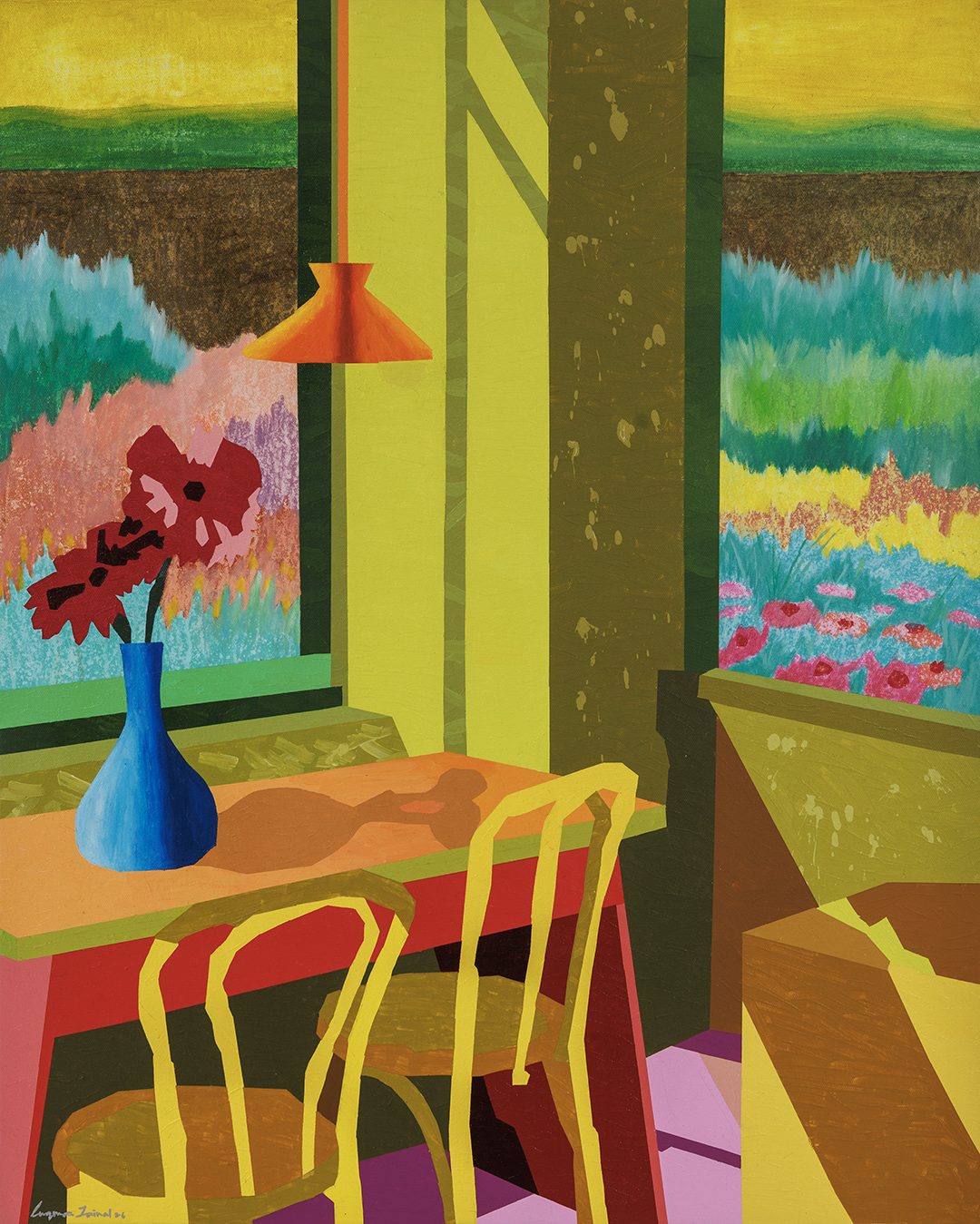
Originally from Malacca, Loqman Zainal (b. 1995) holds a Bachelor’s degree in Fine Arts and held his first solo exhibition, Interlude, in 2022, marking a key milestone in his artistic development. Active in the art scene since 2018, he continues to build momentum through participation in exhibitions and competitions. His practice translates scenic landscapes into a hybrid visual language that blends interior spaces, symbolizing notions of home, unity, and comfort.
Alongside his painting practice, Loqman is also an avid landscape photographer. This interest informs his visual language, where he translates scenic moments of nature onto canvas, often reworking and manipulating these images into serene landscapes that reflect his photographic background. For Loqman, photographing nature is a source of peace and tranquillity, and through his works, he shares these quiet, ethereal experiences shaped by years of observing the natural world through his lens.
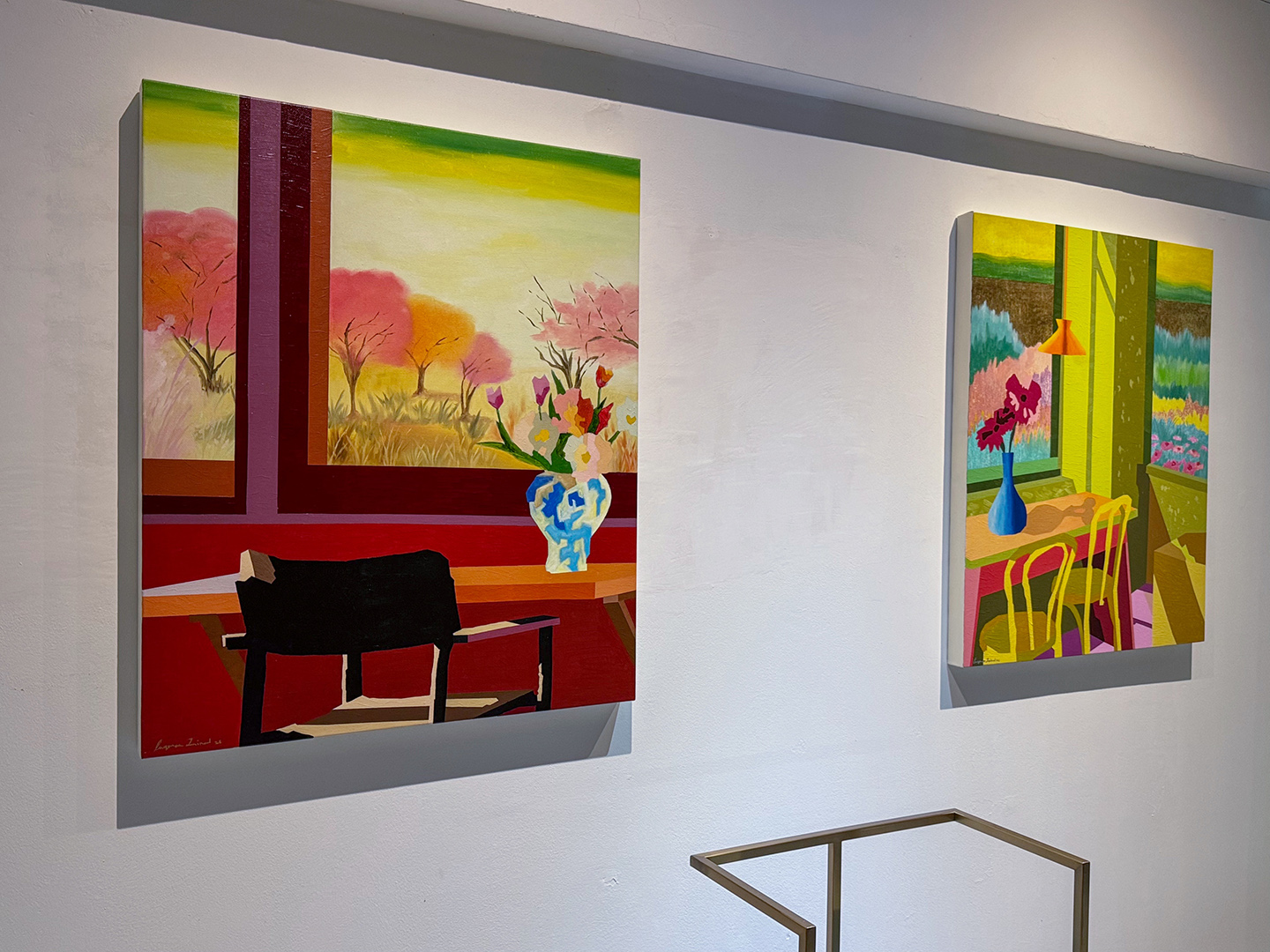
Loqman’s works explore the interplay between two opposing elements: the calm, structured interior space and the free, untamed nature beyond it. This contrast creates a sense of quiet balance, while also evoking curiosity and anticipation. The interior represents human life—order, memory, and presence—while the exterior landscape suggests freedom and a broader, unknown world. Although his paintings are devoid of human figures, traces of presence linger through objects and spatial arrangements, suggesting that someone has been there before. The home becomes a vessel of memory, while nature serves as both a setting for lived experiences and a quiet space for reflection, where the artist reconnects with himself.
Loqman Zainal Bloom Beside the Window Acrylic and Oil on Canvas 91cm x 76cm 2026
Loqman Zainal Light from Window Acrylic and Oil on Canvas 91cm x 76cm 2026
- Tong Xin Lim
Tong Xin Lim (b.2001), an emerging Malaysian artist who navigates the intersection of tradition and contemporaneity, exploring themes of identity, culture, and personal experience. Trained in fine arts, she has developed a distinctive visual language characterized by intricate detail and a nuanced engagement with mixed media. Her works draw from cultural memory while responding to the complexities of contemporary life, forming layered visual narratives that resonate on both personal and collective levels.
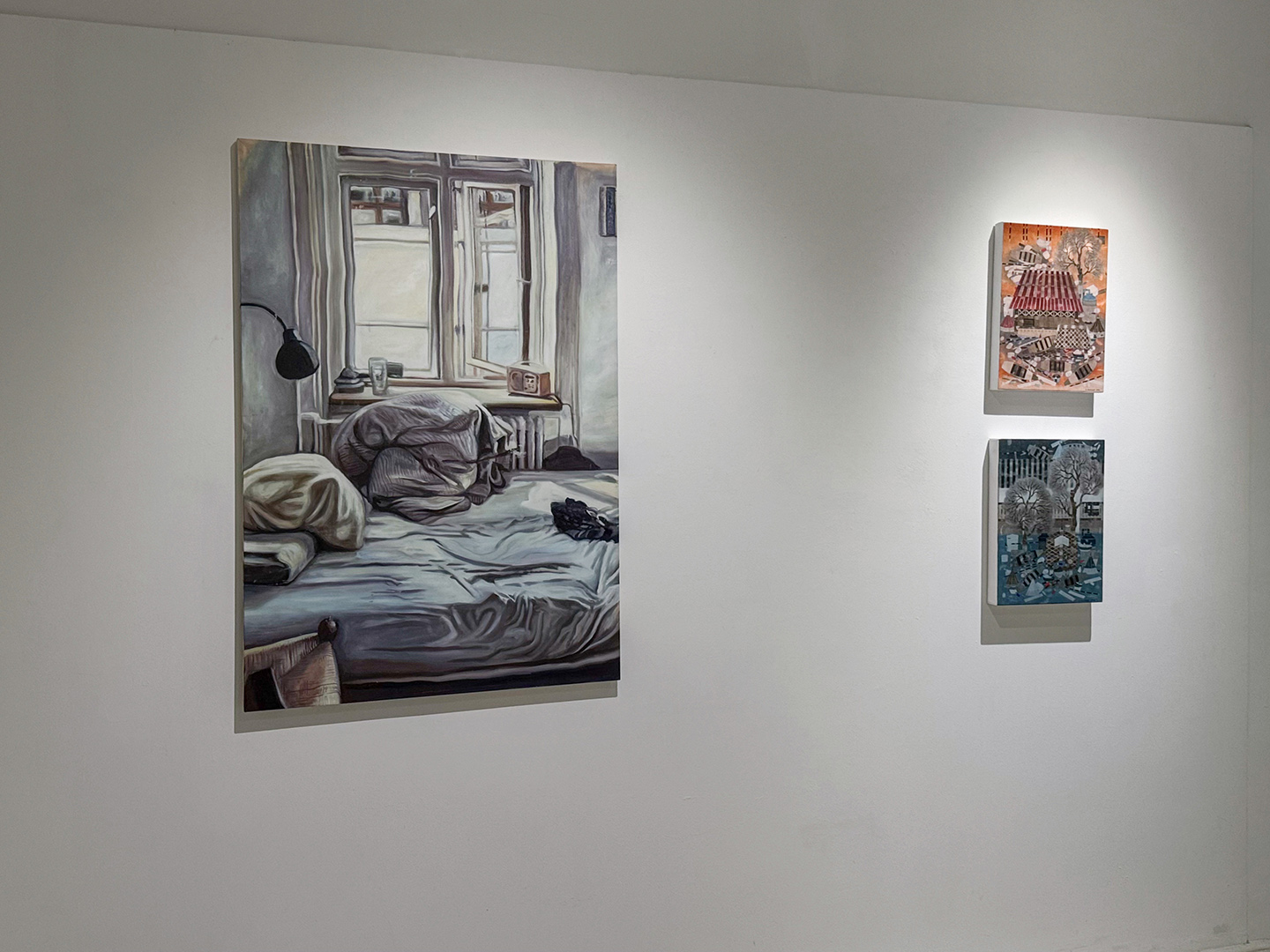
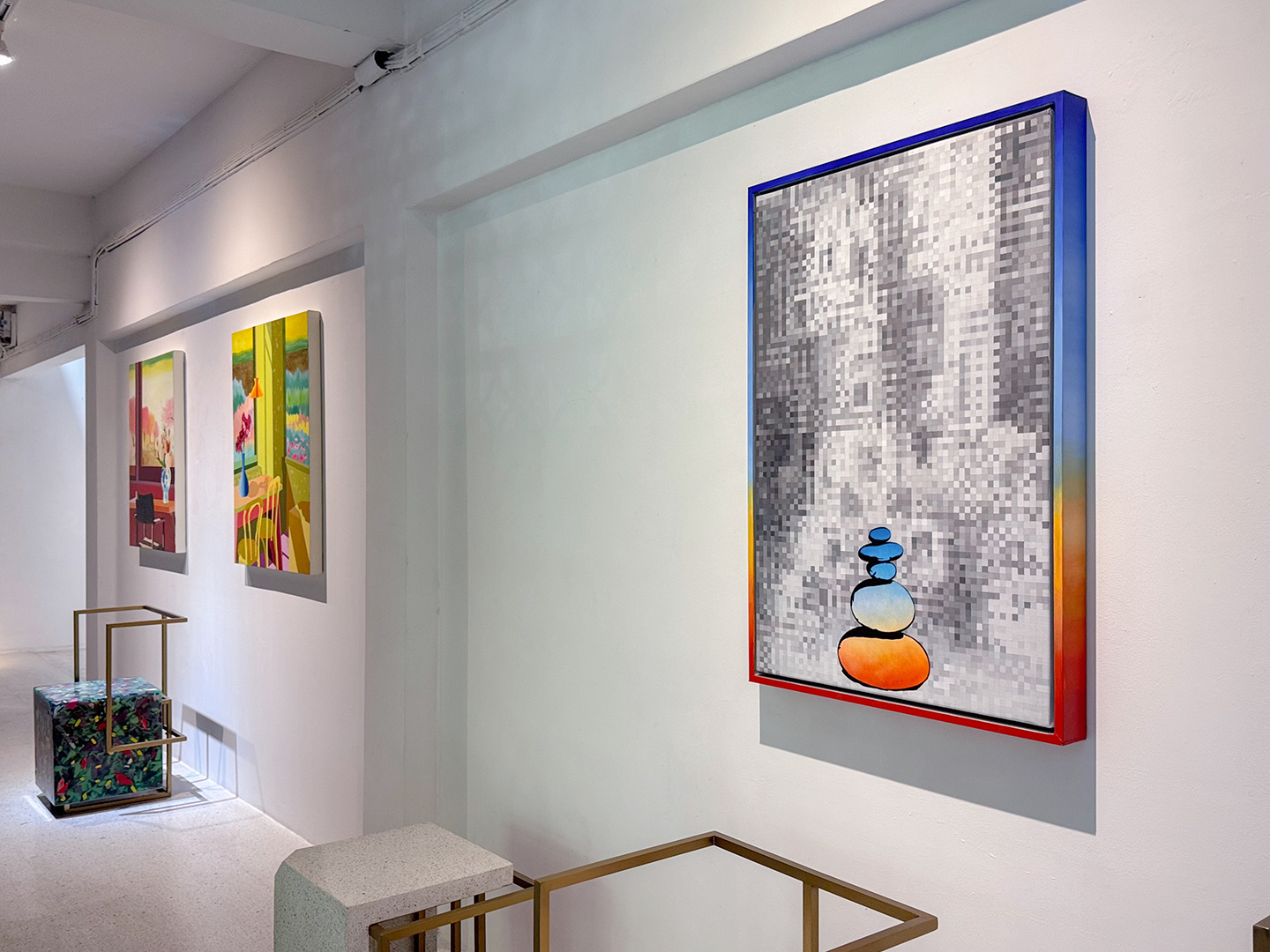
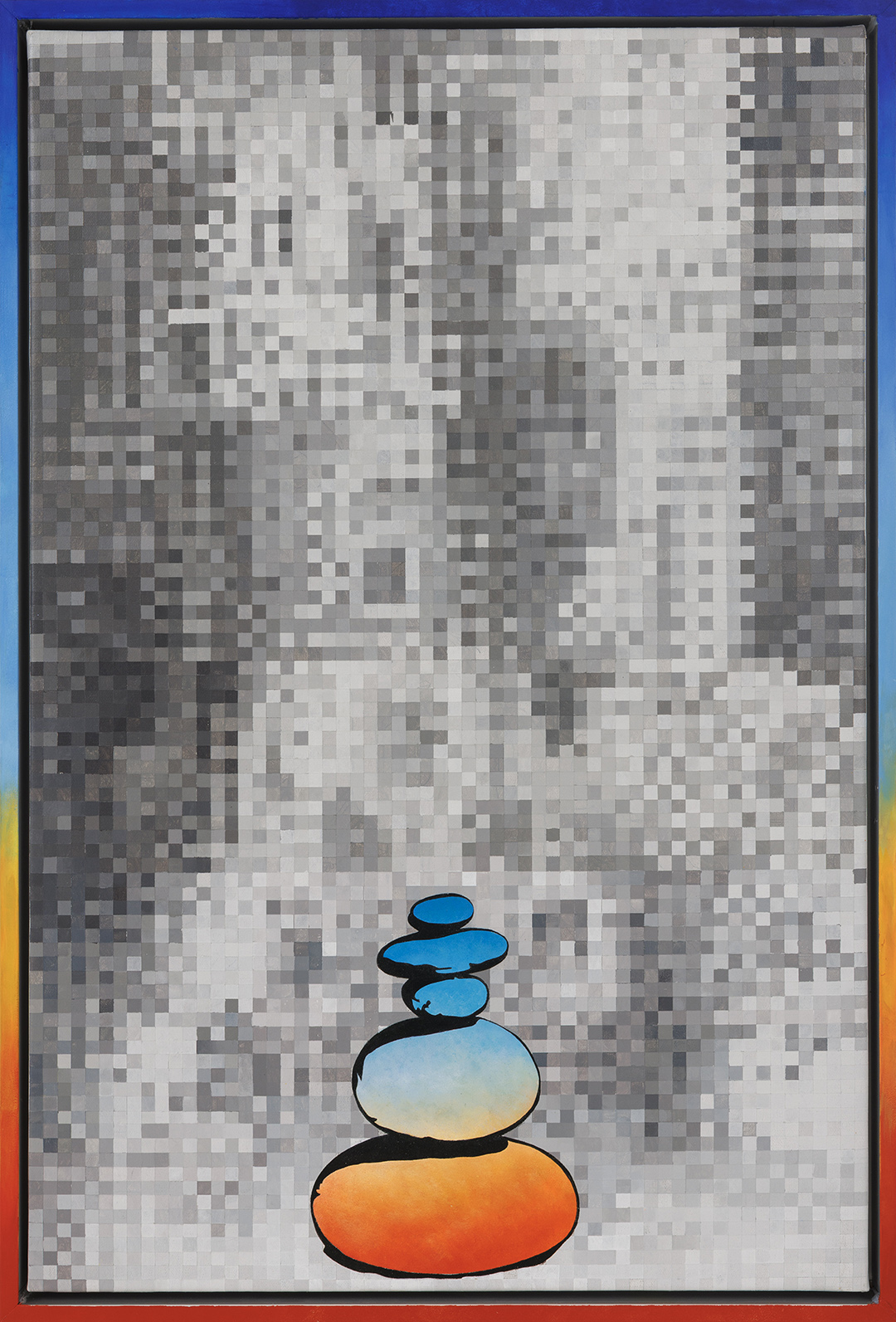
In this work, Tong constructs a fragmented, abstract cityscape through a pixelated grayscale background, evoking the disjointed and constructed nature of the modern, man-made environment. The rigid, repetitive structure of the city suggests a world shaped by systems, density, and distance—where clarity is disrupted and perception becomes fragmented.
In contrast, the foreground presents a delicately balanced stack of vividly colored stones, symbolizing the quiet resilience and grounding force of nature. As towering urban forms obscure the sky and moments of stillness, the work gently reminds viewers of nature’s enduring presence—inviting reflection on balance, awareness, and the need to reconnect with what remains essential yet often overlooked.
Tong Xin Lim Balance Acrylic on Canvas with Aluminum Frame 95cm x 65cm (Inclusive frame) 2026
- PHILIPPINES
- Ikang Gonzales
Ikang Gonzales (b.1995) an artist based in Quezon City with a background in Architecture and Fine Arts. Her practice explores light as both subject and medium through intricate oil paintings on translucent fabric. By weaving light and pigment into a single illuminated surface, she creates works that are at once delicate and immersive. Her visible brushstrokes reveal the vulnerability of the process, allowing viewers to witness the act of making in an intimate and unguarded way.
Working within a digital age saturated with information, Ikang reflects on a collective longing for tactile and nostalgic experiences. She draws from the impulse to hold onto objects of the past—things that feel manual, mechanical, almost acoustic—as a response to the speed and excess of contemporary life. Her works become spaces of stillness, inviting quiet reflection amid constant visual noise.
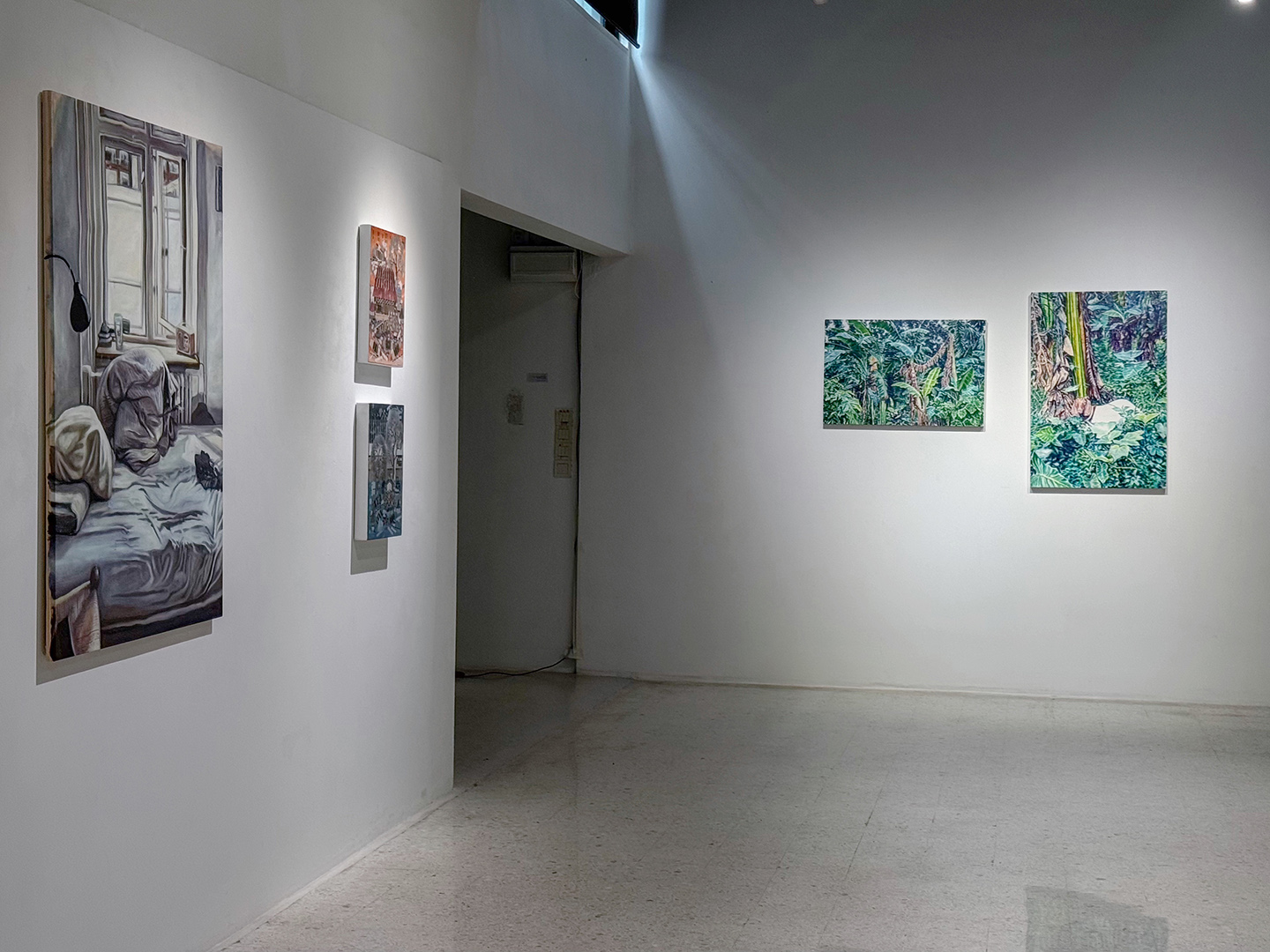
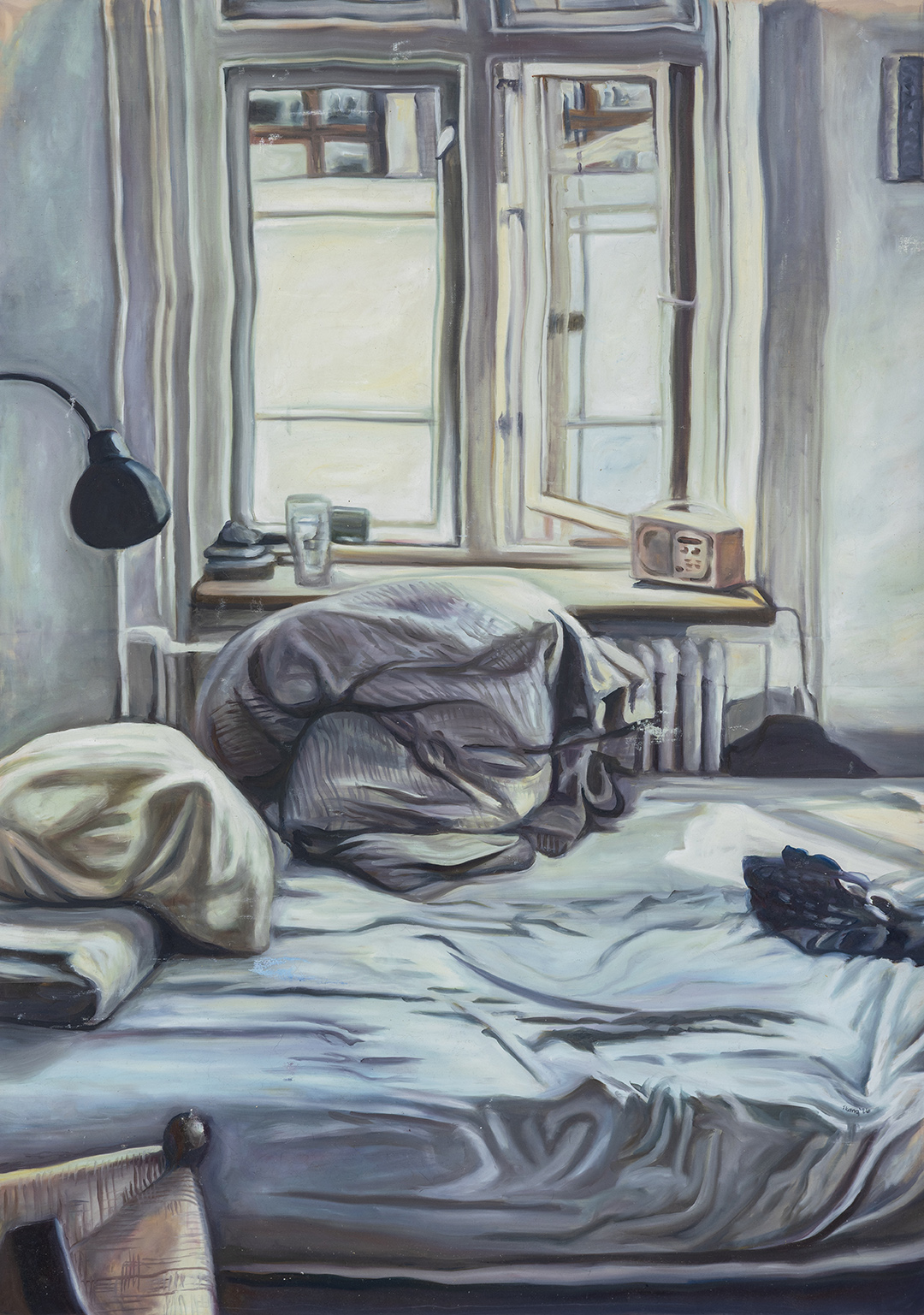
In End of Beginning, Ikang departs from her usual lightbox constructions, allowing natural light to pass through the surface. The depicted interior—an unmade bed, softened morning light, and traces of everyday presence—evokes a moment suspended between absence and memory. The quiet disarray of the space suggests a life just lived, where time lingers gently. Here, light is not only illumination, but a carrier of emotion—marking a subtle transition, where endings and beginnings quietly converge.
Ikang Gonzales End of Beginning Oil on Transparent Polyester Fabric 113cm x 79cm 2026
- Lance Gomez
Lance Gomez (b.1997) merges minimalism with a subtle sense of theatricality, drawing viewers into the quiet drama embedded within everyday objects and landscapes. His works construct restrained yet evocative scenes where symbolism and composition transform the ordinary into sites of reflection, shaped by both his natural and social environment.
A contemplative stillness permeates his paintings, often accompanied by an underlying tension that evokes isolation and introspection. Drawing from Impressionist sensibilities, Lance focuses on capturing atmosphere and fleeting light rather than direct representation, using layered hues to shape mood and perception. As a keen observer of history, his practice engages with contemporary issues in the Philippines, examining how the past continues to inform present realities.
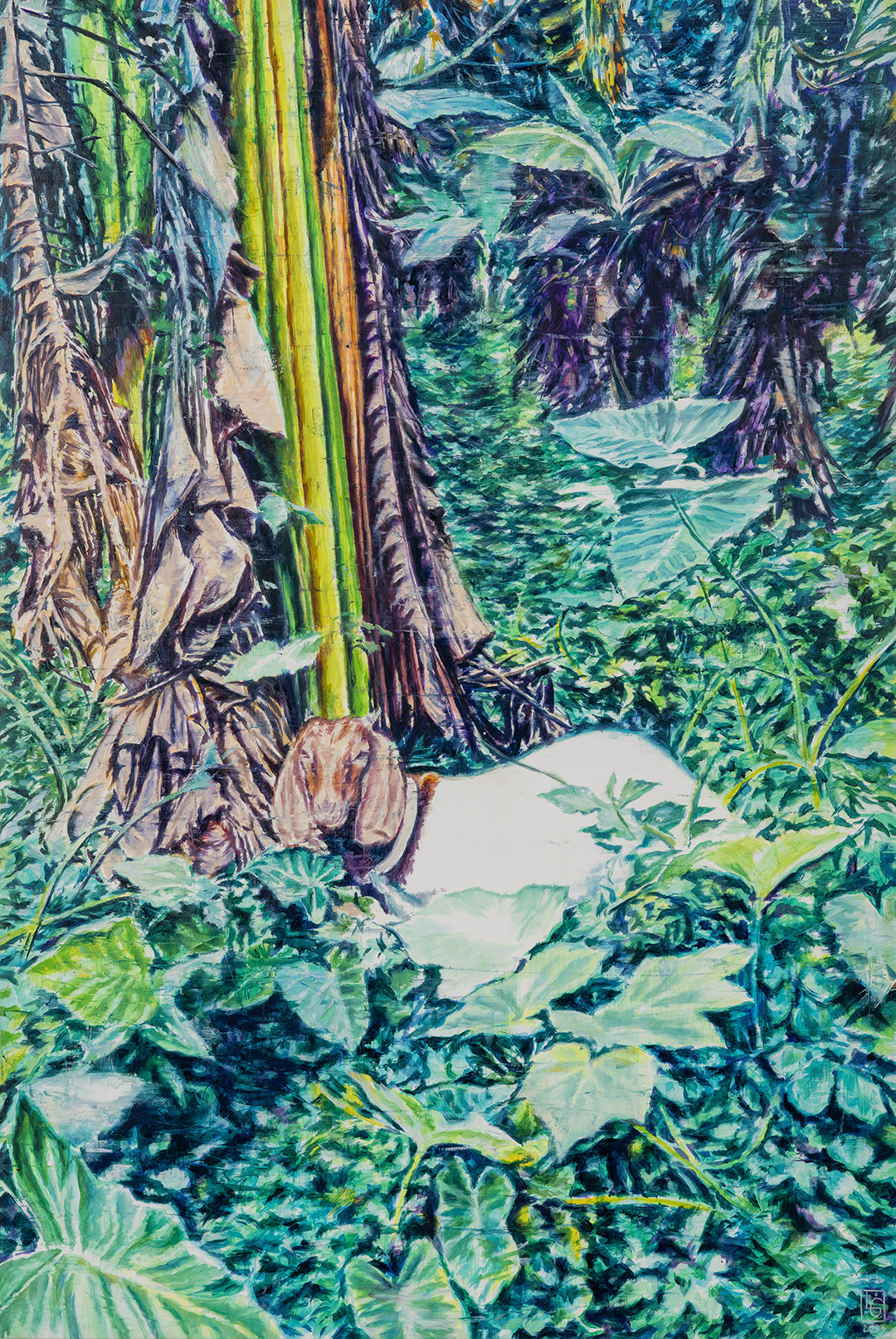
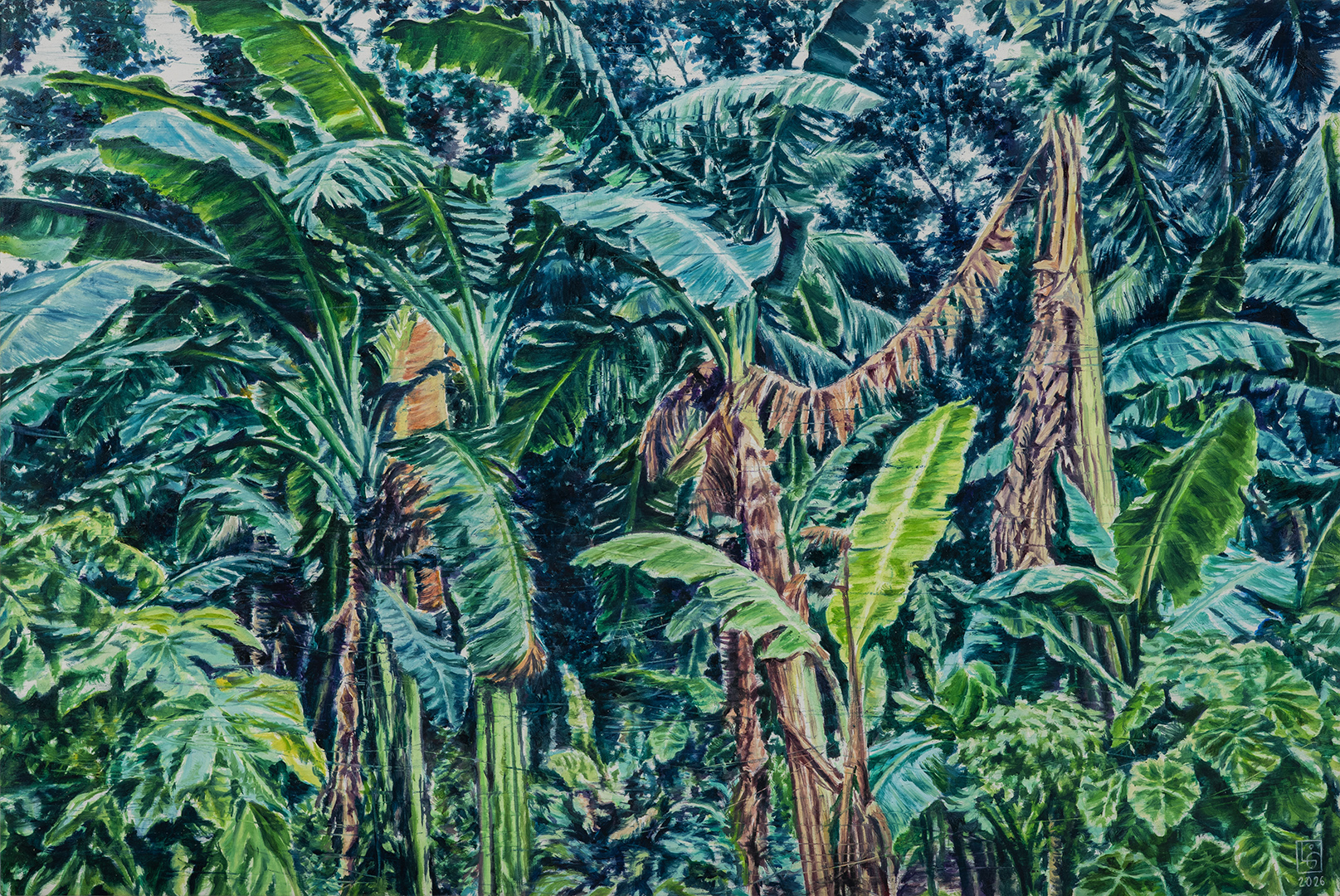
In his latest works, Lance extends this inquiry by exploring color as a precursor to the “filter.” Through layered tones of blues, teals, and deep greens, each brushstroke functions as a lens—suggesting that contemporary digital filters are rooted in painterly traditions, transforming ordinary landscapes into perceptual and emotional atmospheres.
Lance Gomez Isang Hapon sa Parang (One Afternoon in the Meadow) Oil and Acrylic on Canvas 91cm x 60cm 2026
Lance Gomez Sa Pagtatakipsilim (At Dusk) Oil and Acrylic on Canvas 50cm x 76cm 2025
- Regina Reyes
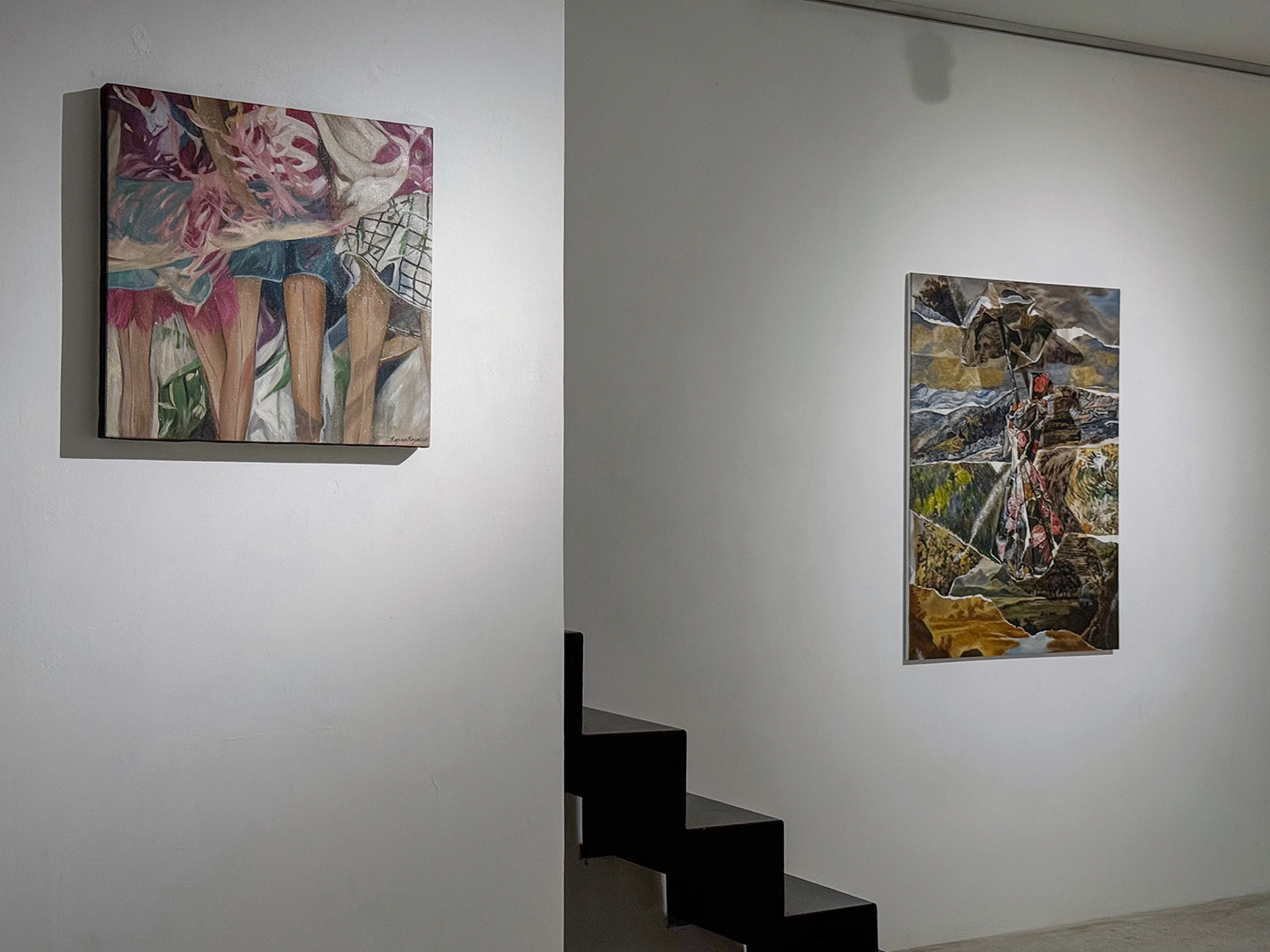
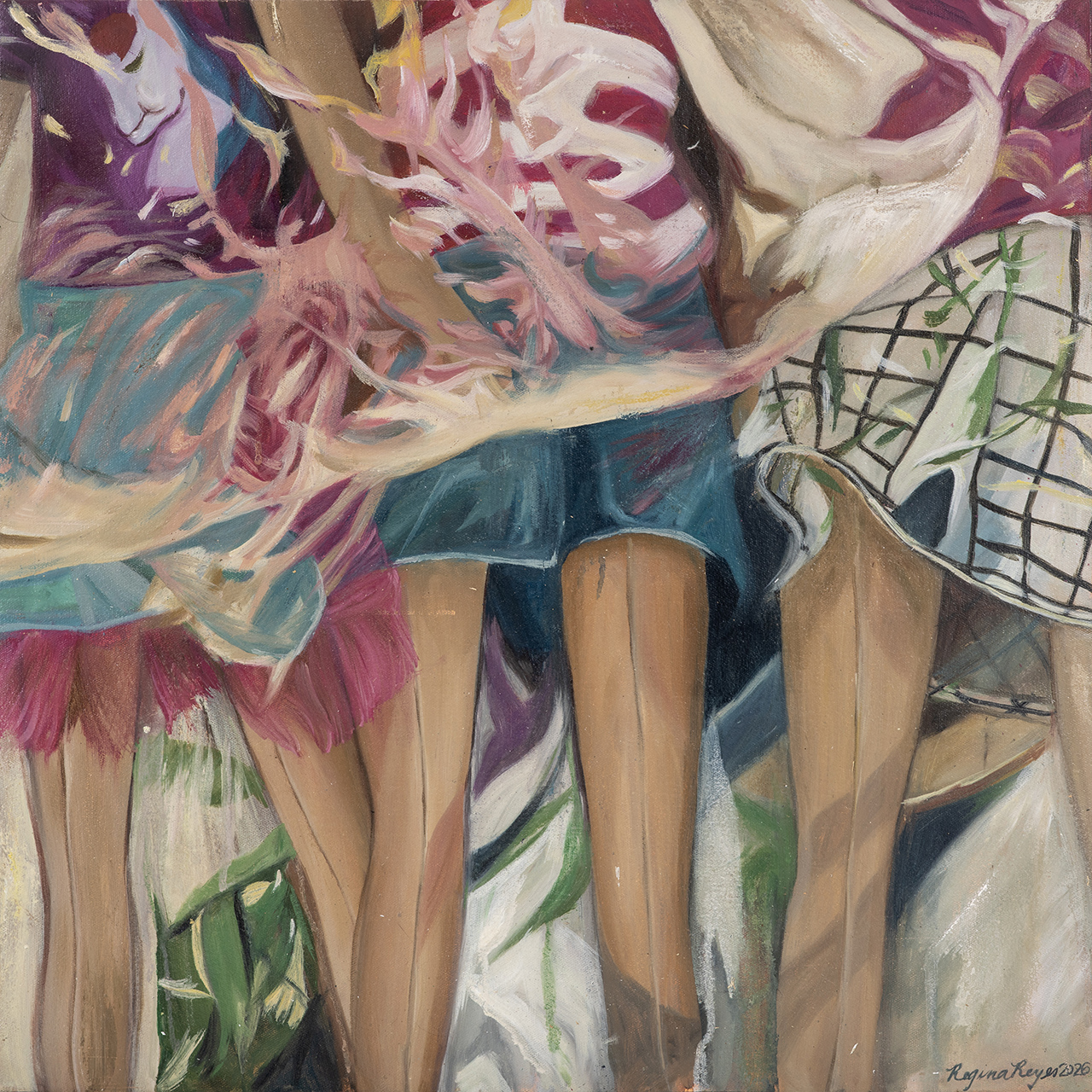
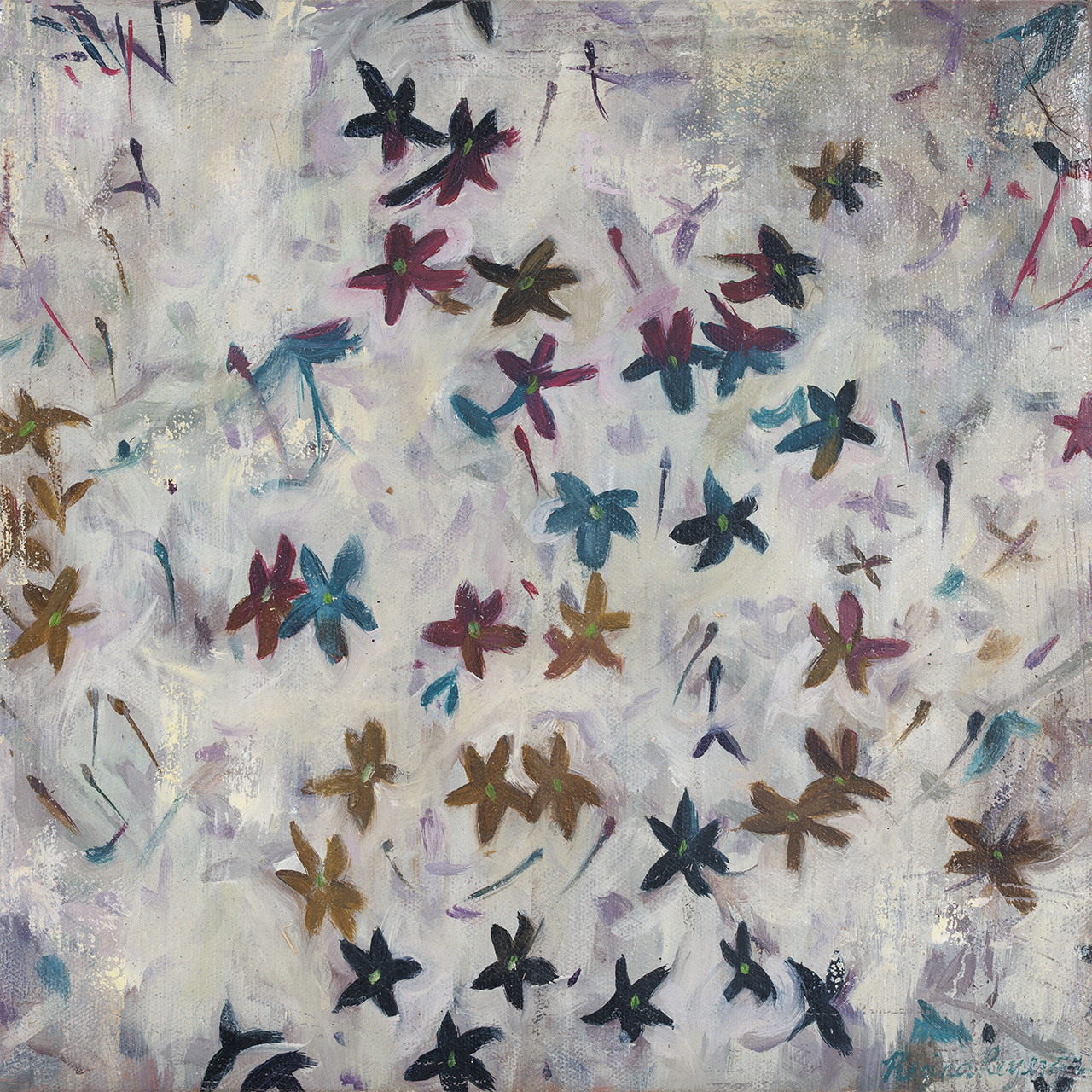
Regina Reyes (b.1993) reflects on memory, womanhood, and time through a language that is both intimate and evocative. In her recent works, she turns to recollections of the 1990s—a time she associates with vivid, unfiltered color and tactile experience. The scattered floral compositions and expressive figurative scenes recall a sensibility shaped before digital mediation, where colors felt immediate, unprocessed, and deeply personal. These works evoke a softness and spontaneity that mirror memory itself—fragmented, layered, and emotionally charged.
Through fluid brushstrokes and shifting palettes, Regina contrasts this remembered clarity with the altered perception of the present. The works suggest a tension between past and present—between a world experienced directly and one filtered through screens and systems. Her imagery does not reject change, but instead lingers in the space between resistance and acceptance, holding onto the emotional truth of memory while acknowledging transformation.
In this body of work, color becomes both subject and vessel—carrying nostalgia, dissonance, and quiet reconciliation. Regina captures a fleeting state of in-betweenness, where the desire to preserve what was coexists with the need to move forward.
Regina Reyes Barbie Dolls Oil on Canvas 60cm x 60cm 2026
Regina Reyes Flower Field Oil on Canvas 30cm x 30cm 2026
- Thailand
- Asmawee Karee
Asmawee Karee (b.1999), an artist from Betong, Thailand, who recently graduated with a Master’s degree in Visual Arts from Silpakorn University, Bangkok in 2025. Since 2019, he has been actively participating in art competitions and exhibitions. In 2022, he was awarded the Bronze prize in the UOB Painting of the Year (Emerging Artist category) and received an art education scholarship from the Statesman Foundation General Prem Tinsulanonda to further pursue his artistic practice.
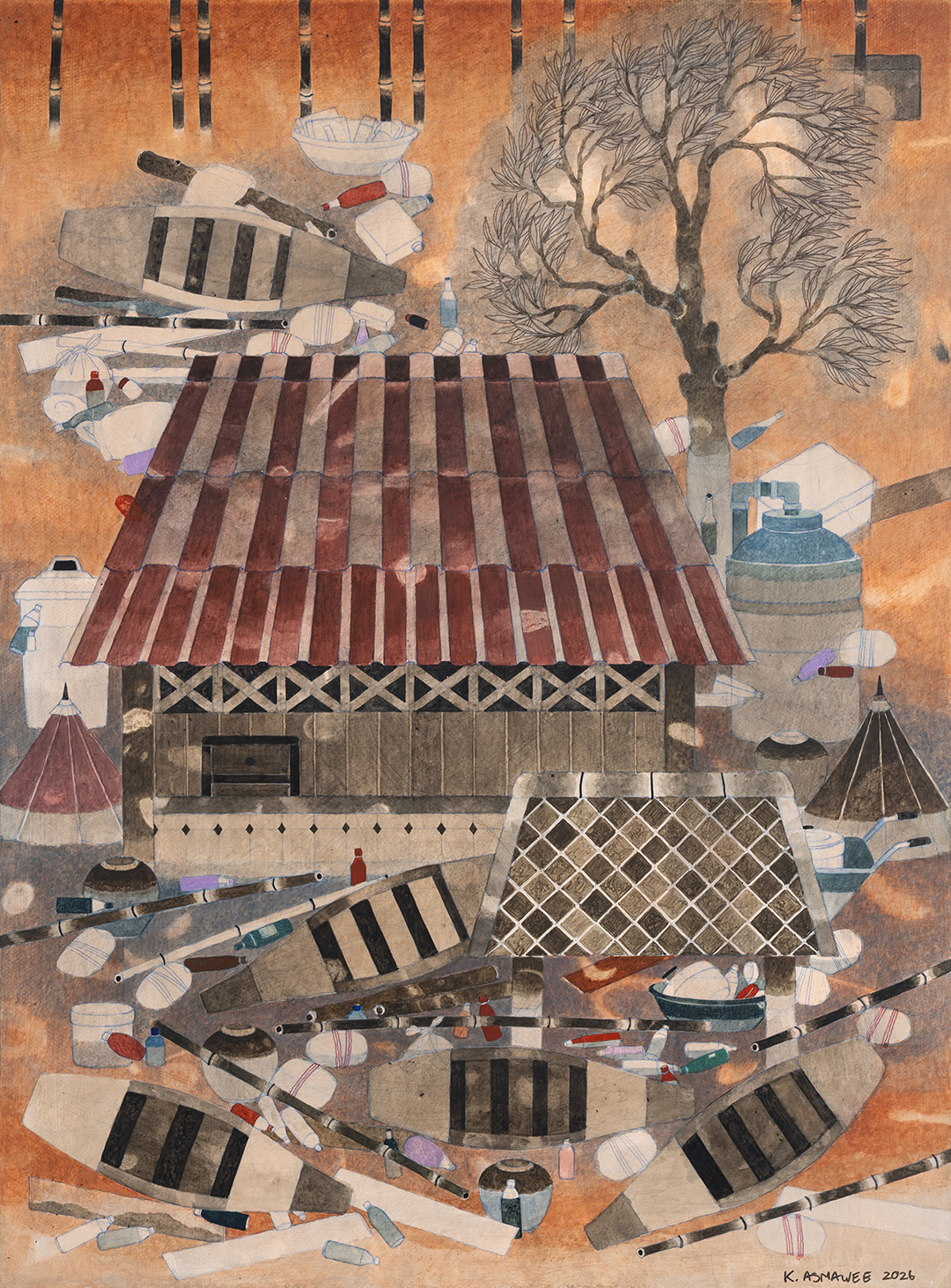
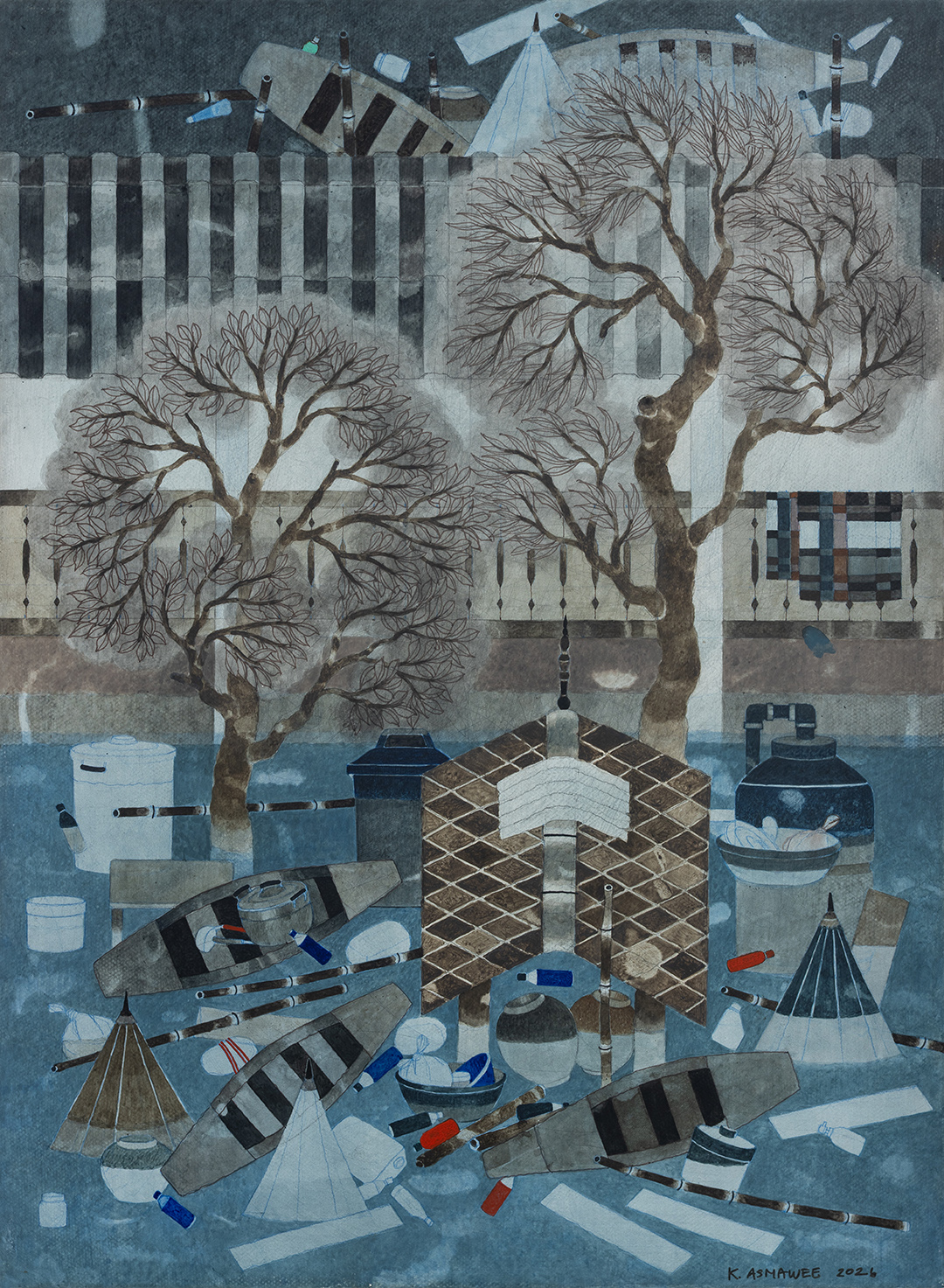
In his work, color functions not merely as an aesthetic element but as a symbolic language that expresses emotional states and lived experiences. Through the use of contrasting warm and cool tones, Asmawee constructs atmospheric imagery that reflects the duality of day and night—suggesting hardship alongside quiet anticipation and resilience.
This series is inspired by the flooding that occurred in southern Thailand in 2025. Interpreting the event through layered compositions of submerged homes, scattered objects, and drifting forms, the works transform a moment of crisis into a contemplative visual narrative. The scenes evoke both loss and stillness, where devastation coexists with a sense of endurance and hope.
Asmawee Karee Daytime Scene During the Flood Acrylic on Canvas 40cm x 30cm 2026
Asmawee Karee Nighttime Scene During the Flood Acrylic on Canvas 40cm x 30cm 2026
- Panuwat Kamdee
Panuwat Kamdee (b. 1999), also known as Pay, also known as Pay, is an artist from Lamphun, Thailand, currently pursuing a Master’s degree in Visual Arts at Silpakorn University, Bangkok. Since 2020, he has actively participated in exhibitions and art projects, and in 2021 was awarded a creative art scholarship from the Statesman Foundation General Prem Tinsulanonda. His practice is rooted in a deep passion for Thai myths, legends, and narratives, expressed through a distinctive painting style using pastel techniques that produce soft, smooth tones and a warm, approachable character.
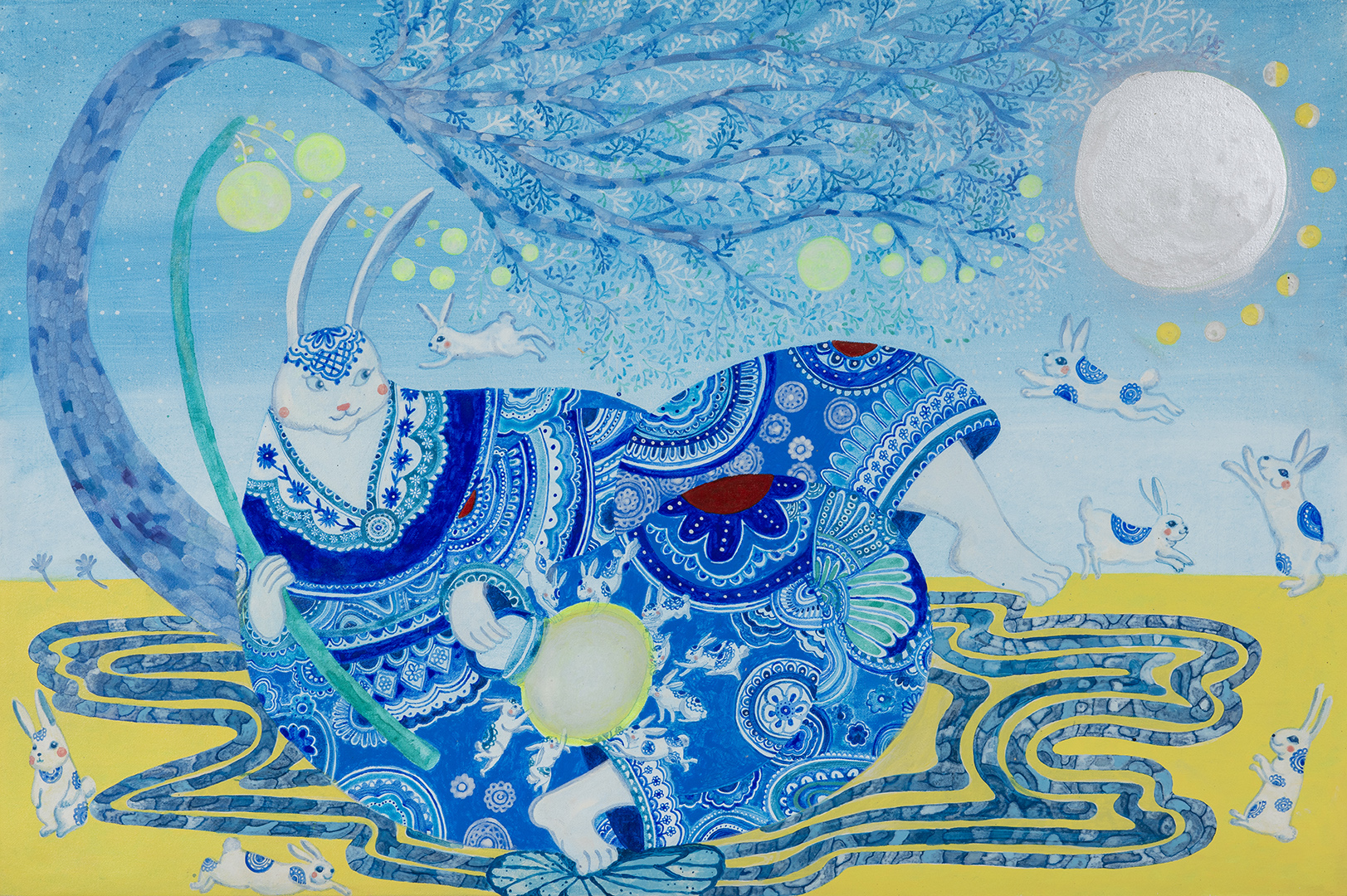
His works reflect the charm and storytelling of Thai culture through a contemporary lens, where traditional narratives are reimagined with clarity and sensitivity. Central to his imagery in Moonfaith, he visualizes the folklore of the moon rabbit, a symbol of selfless sacrifice and enduring kindness passed down through generations of childhood stories. The purity of this belief—of a rabbit living upon the glowing surface of the moon—evokes a sense of wonder and innocence. The imagery of the rabbit gently pounding rice cakes carries a quiet, soothing presence, offering a calm and almost dreamlike scene. In this work, the “moon rabbit” becomes a metaphor for gentle hope, suggesting that with deep belief, even distant dreams may take form, much like the moonlight that continues to shine across the night sky.
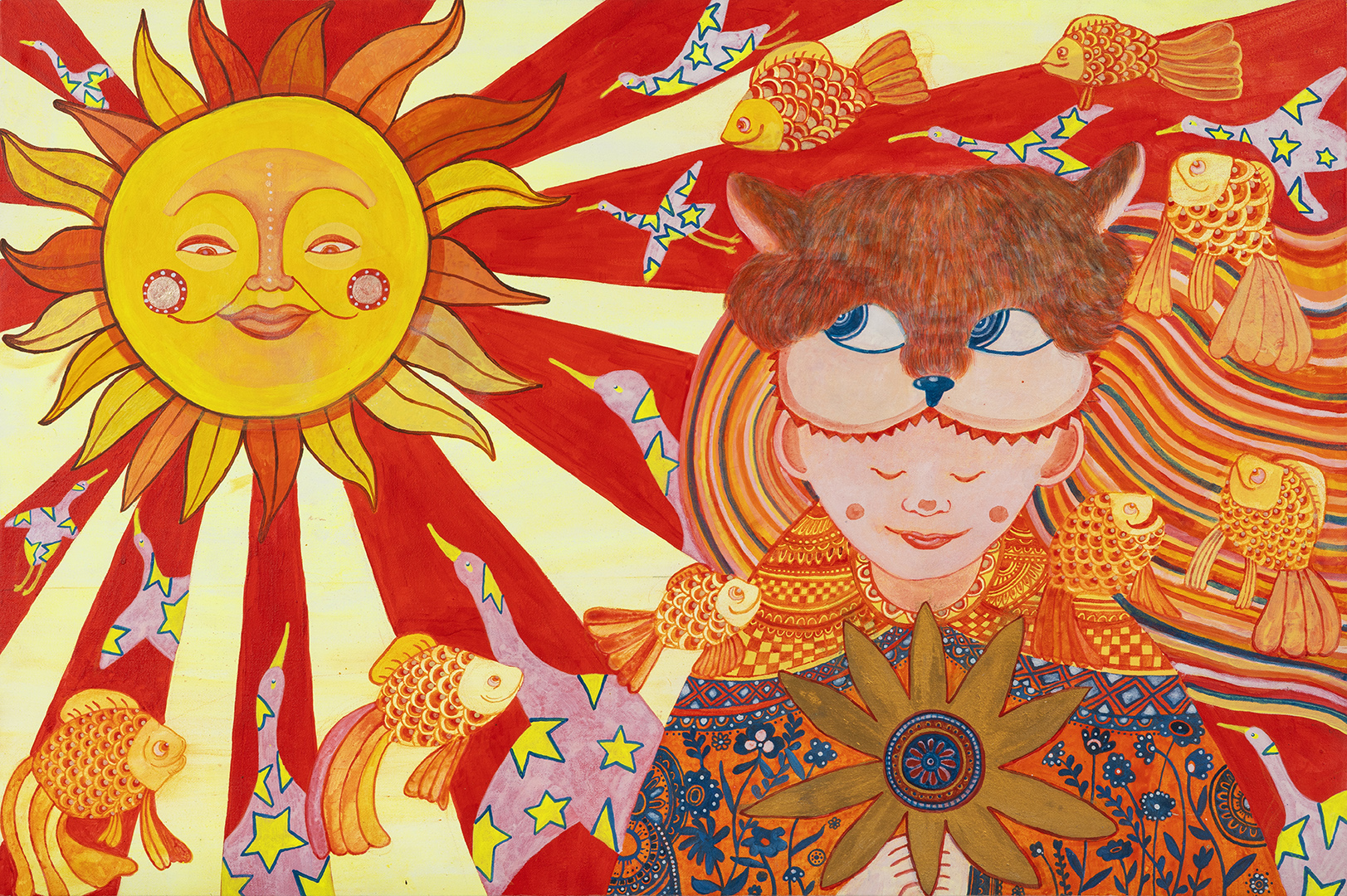
Alongside this, the work Phanuwat represents prosperity, hope, and the beginning of a journey. The child wearing a lion head embodies youth, growth, and the nurturing of inner strength. Under this gentle light, each step forward is no longer a simple movement, but a stride carried by courage, energy, and hope—reminding us that every journey begins with belief.
Panuwat Kamdee Moonfaith Acrylic on Canvas 60cm x 91cm 2026
Panuwat Kamdee Phanuwat (Prosperity) Acrylic on Canvas 60cm x 91cm 2026
- Thanakan Klannakorn
Thanakan Klannakorn (b.2000), A Bangkok-based painter whose practice examines the relationship between object, time, and perception. He earned his Bachelor’s degree in Painting from Poh-Chang Academy of Arts and a Master’s degree from Silpakorn University. His work recontextualizes overlooked everyday objects—such as plastic flowers, fabric remnants, and discarded materials—within carefully constructed pictorial spaces. Through a meditative and meticulous process, he positions painting as a temporal and emotional field where perception unfolds gradually rather than as a fixed image.
Central to his practice is the idea of “intervals” between image, object, and meaning. By placing mundane materials within compositions informed by symmetry, geometry, and baroque lighting, these objects exist in a state of in-betweenness—both familiar and estranged. Drawing from frameworks such as appropriation and deconstruction, Thanakan treats objects as carriers of memory that, once displaced, lose their original function while gaining new interpretive possibilities. His works invite slow looking, where silence, duration, and ambiguity shape the viewer’s experience.
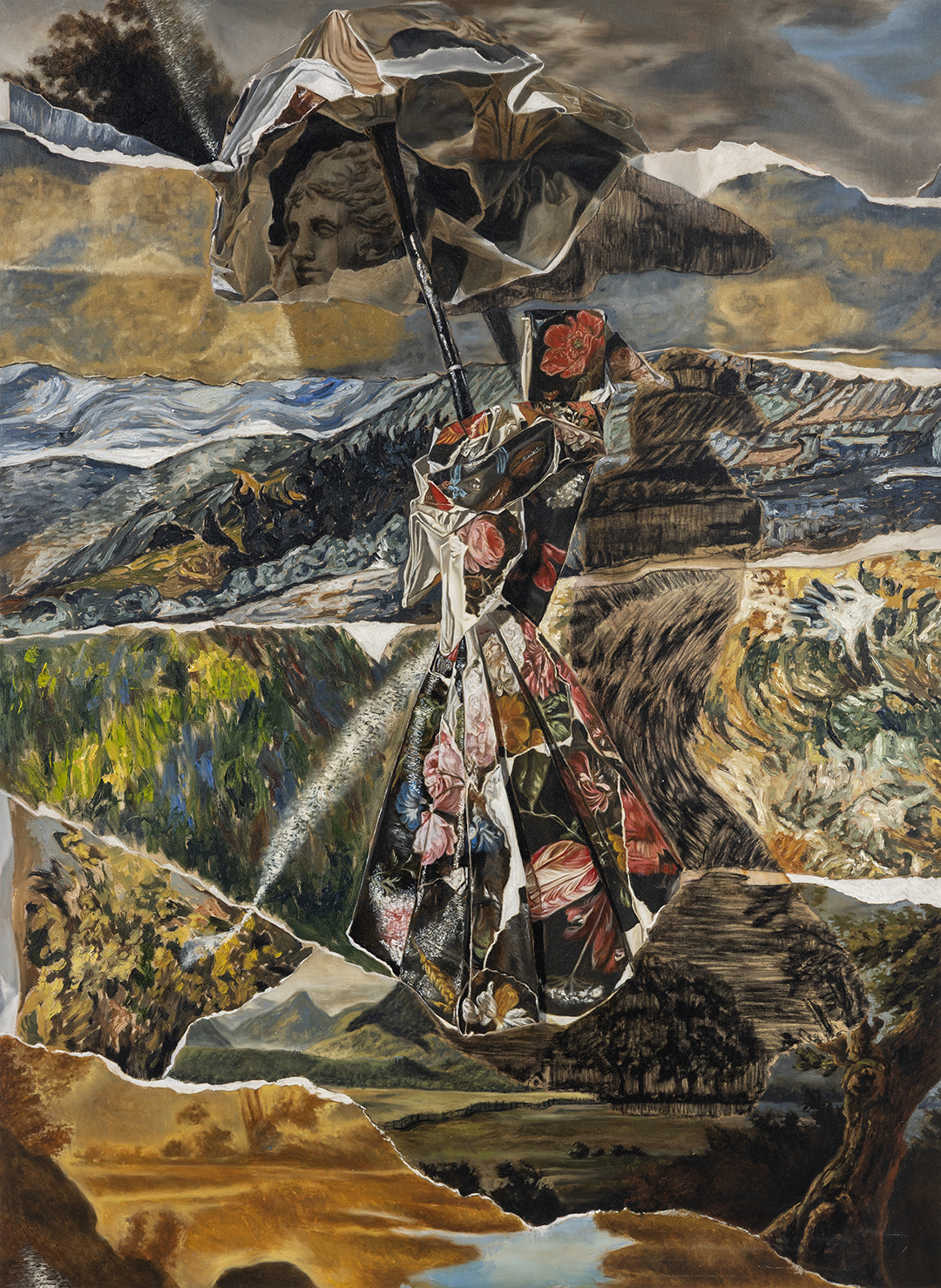
In this work, he explores the tension between digital artificiality and material authenticity. Referencing Woman with a Parasol, the composition layers visual histories—from Renaissance order to Baroque drama—while mimicking the aesthetics of print and pixelation. Rather than revisiting the past, the work reflects a contemporary visual condition shaped by screens, where history is encountered as reproduction. The figure becomes a vessel of accumulated images, traversing centuries of beauty while preserving them against time’s erosion.
Thanakan Klannakorn Woman with A Parasol Traversing Oil on Linen 119cm x 78cm 2026